
How Horizontal Management Builds Trust
Horizontal management fosters trust and autonomy within teams, transforming their dynamics and performance.
May 15, 2025
Horizontal management transforms team relationships by fostering trust, autonomy, and collaboration. Unlike vertical organizations, where decisions are centralized and top-down, horizontal management is built on simple yet powerful principles: collective decision-making, flattened hierarchies, and fluid communication.
Key Takeaways:
-
Decision-making: Collaborative and decentralized.
-
Communication: Open and fast, free from hierarchical barriers.
-
Autonomy: Teams take initiative thanks to mutual trust.
-
Common obstacles: Lack of clarity, resistance to change, poorly defined roles.
Quick Comparison: Vertical vs. Horizontal Organization
| Aspect | Vertical Organization | Horizontal Organization |
|---|---|---|
| Decision-making | Centralized, top-down | Decentralized, collaborative |
| Hierarchy | Many levels | Minimal |
| Communication | Slow, hierarchical | Fluid, open |
| Risk tolerance | Low | High |
Why does this matter? A well-implemented horizontal management approach improves trust, drives innovation, and strengthens team engagement. Discover how to apply these principles and overcome challenges to transform your organization.
The Key Elements for Building Trust in Horizontal Management
Team Independence and Ownership
Autonomy is at the heart of horizontal management. Willem-Jan Ageling captures this idea well:
"The magic ingredient of team autonomy is trust. With trust, teams will likely feel a greater sense of ownership. Without trust, teams will be less inclined to take initiative and assume responsibility for their work"
Steve Jobs shared a similar vision:
"It doesn't make sense to hire smart people and then tell them what to do. We hire smart people so they can tell us what to do"
These quotes illustrate an essential truth: for a team to fully own its responsibilities, it needs complete trust and genuine autonomy.
Clear Decision-Making Steps
Transparent decision-making is essential to establish and maintain trust. Soren Kaplan emphasizes this point:
"Clear and transparent communication is vital for building trust in leadership teams. When you communicate openly with your team, you create an atmosphere where members feel informed and involved"
To strengthen this transparency, a structured decision-making process is crucial. Here are the main elements to consider:
| Aspect | Objective | Implementation |
|---|---|---|
| Communication | Full transparency | Regular meetings, constant feedback |
| Accountability | Decision-making autonomy | Delegation of important tasks |
| Evaluation | Measuring results | Collectively defined performance indicators |
These practices actively involve teams while clarifying expectations.
Shared Team Responsibility
Another key to building solid horizontal management is shared responsibility. Louis Carter, CEO of Best Practice Institute, explains the impact of this approach:
"The structure... helps create the culture, and when the culture is such that people enjoy being together in the workplace, incredible things happen"
This collaborative dynamic offers concrete benefits:
-
A balanced distribution of tasks, reducing the risk of burnout
-
An environment that encourages innovation through idea sharing
-
Stronger collective commitment to shared goals
To support this shared responsibility, tools like those offered by Rolebase allow teams to manage their roles and responsibilities collaboratively, while maintaining a clear overview of the organization. This promotes smooth coordination and better cohesion.
Steps to Develop Trust Through Horizontal Management
Setting Up Flat Team Structures
To succeed with a horizontal organization, it is essential to simplify hierarchical levels and clearly redefine roles. Konstantin Klyagin sums it up well:
"Anyone can directly contact anyone."
In practice, this means:
-
Creating workspaces that encourage informal and spontaneous exchanges.
-
Defining "areas of responsibility" without traditional hierarchical titles.
-
Forming autonomous teams focused on specific objectives.
These structural adjustments must be supported by specific tools, which we explore below.
Using Tools for Team Management
Digital tools play a key role in the success of horizontal management. Rolebase, for example, offers tailored solutions, such as:
-
Interactive org charts to visualize roles and responsibilities.
-
Task tracking systems enabling effective coordination, even in asynchronous mode.
-
Tools specifically designed to facilitate meetings and improve collaboration.
These tools help maintain transparency and strengthen team autonomy, while ensuring everyone stays aligned with shared goals.
However, tools alone are not enough. Well-defined communication standards are also essential to ensure optimal cohesion.
Establishing Communication Standards
To ensure fluid and effective communication, it helps to formalize clear protocols. Here is an overview of recommended practices:
| Aspect | Standard | Benefit |
|---|---|---|
| Frequency | Weekly updates | Ensures transparency and regular follow-up. |
| Channels | Defined collaborative tools | Centralizes and clarifies exchanges. |
| Format | Standardized templates | Guarantees consistency in shared information. |
An inspiring example is Google. In 2024, the company strengthened its horizontal communication culture through collaborative platforms. Their "TGIF" (Thank God It's Friday) meetings allow all employees to ask questions directly to leadership, creating an open and participatory work environment.
To sustain these standards, it is important to define clear expectations regarding response times, meeting frequency, and information-sharing formats. This contributes to maintaining a structured and transparent work environment.
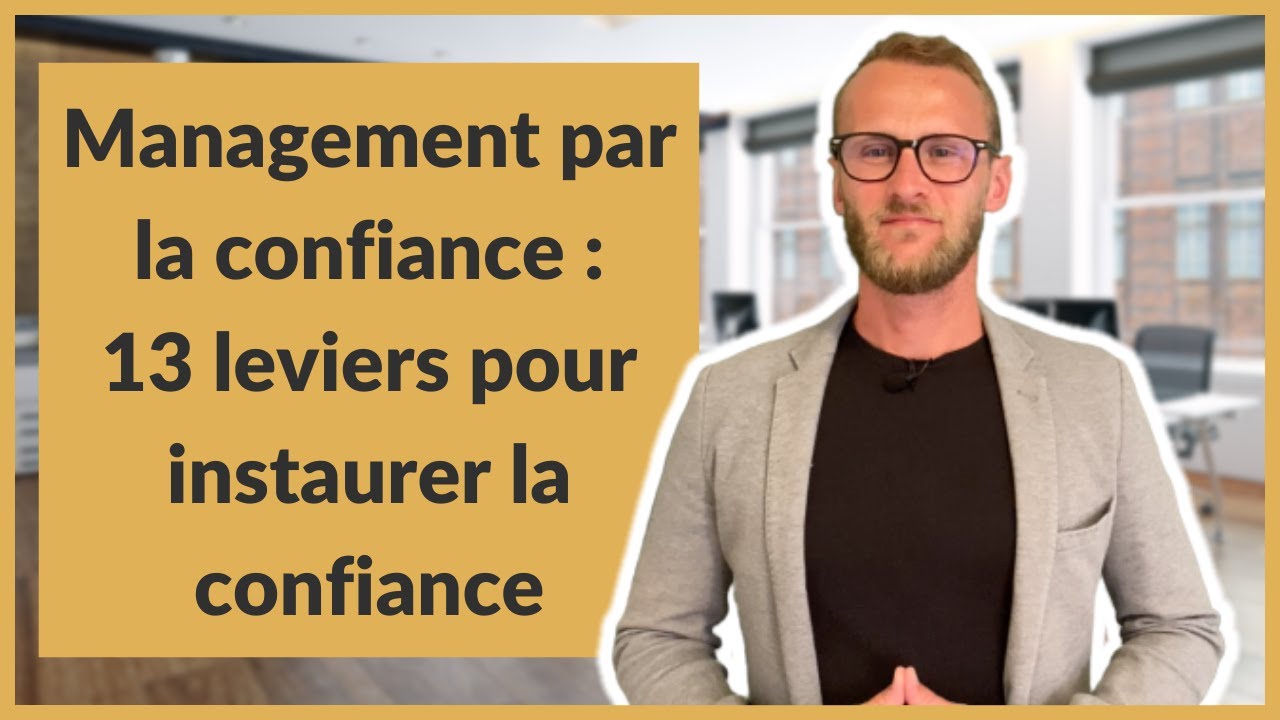
Trust-Based Management: 13 Levers to Build Trust
Managing Common Challenges in a Horizontal Structure
Adopting a horizontal structure requires a thoughtful approach to overcome challenges while maintaining team cohesion and effectiveness.
Handling Team Resistance
Transitioning to horizontal management can naturally trigger resistance. To succeed in this transition, it is crucial to address team concerns in a structured way. Here is a three-step method:
| Phase | Action | Expected Result |
|---|---|---|
| Preparation | Individual meetings | Identify and understand fears |
| Implementation | Regular collaborative workshops | Involve the team in the change |
| Follow-up | Weekly check-ins | Adjust and refine practices |
These steps help establish open dialogue and encourage gradual team buy-in.
Clearly Defining Team Roles
Clarifying roles is essential to avoid misunderstandings and ensure full transparency. For example, Valve Corporation adopted a system that makes everyone's projects and responsibilities visible.
Governance tools play a key role in this clarification. They allow you to:
-
Clearly identify individual and collective responsibilities;
-
Adjust roles based on evolving needs;
-
Document decisions to ensure traceability.
"A simple way to avoid confusion is to establish a clear framework and decision-making guidelines for each team member. This approach is not about micro-managing, but rather ensuring that everyone knows how to contribute to the team's goals."
- Sean Smith, CEO of Alpas Wellness
Beyond defining roles, it is essential to create an environment of trust to ensure smooth collaboration.
Developing Trust-Based Teams
Once roles are well established, trust becomes the cornerstone of a successful horizontal structure. Here are some practices adopted by organizations that succeed in their transition:
-
Continuous training: Offer sessions on active listening, conflict resolution, and collaborative negotiation.
-
Dialogue spaces: Create dedicated moments to discuss challenges, celebrate successes, and strengthen cohesion.
-
Peer mediation system: Set up internal mediators, define clear resolution protocols, and ensure regular follow-up.
"It is not finance, nor strategy, nor technology. It is teamwork that remains the ultimate competitive advantage, both because it is so powerful and so rare."
- Patrick Lencioni
These practices strengthen collaboration and help build a lasting and resilient team culture.
Maintaining Trust Over the Long Term
To preserve trust within a team, it is crucial to measure it regularly, adjust practices, and continuously support team members.
Measuring Trust Within the Team
Trust is a pillar of collective performance. Currently, only 50% of employees say they trust their employer. To understand and improve this dynamic, here are some tools and practices:
| Assessment Method | Frequency | Key Indicators |
|---|---|---|
| Team Trust Index | Quarterly | Collaboration, communication, engagement |
| Anonymous surveys | Monthly | Well-being, satisfaction, belonging |
| Individual interviews | Bimonthly | Personalized feedback, suggestions |
Tools like Rolebase allow you to track these indicators over time and quickly identify areas that need adjustment. This data serves as a foundation for adapting processes and strengthening team dynamics.
Updating Team Processes
Practices must evolve based on team needs and feedback. Companies that cultivate a climate of trust see a 50% increase in productivity and happier teams. Here are some ways to maintain this dynamic:
-
Share decisions transparently, clearly explaining the reasoning behind them.
-
Encourage regular and constructive feedback to improve interactions.
-
Adjust processes based on team input.
"Trust is not built in big, sweeping moments. It's built in tiny moments every day." – Brené Brown
Once processes are updated, the next step is to actively support team growth.
Supporting Team Growth
A coaching-based management approach can multiply employee engagement by eight. Here are three key approaches to support teams:
-
Continuous training
Organizing regular workshops fosters collaboration and strengthens collective trust. Teams that work together proactively see a 20% increase in their trust levels.
-
Recognition of contributions
Implementing recognition systems aligned with company values can increase employee trust by 32%.
-
Personalized support
Providing individual follow-up allows you to tailor support to each team member's specific needs.
"As a leader, it's up to you to adapt to the people you have the privilege of leading." – Mike Krzyzewski
Companies with high trust levels report impressive results: 74% less stress and 106% more energy at work.
sbb-itb-77d9745
Conclusion: Building Trust Through Better Management
Horizontal management redefines how teams interact and collaborate. By emphasizing communication, this method transforms management into a true performance lever, while creating a more participatory and fluid environment.
Three essential pillars support this approach:
| Pillar | Impact on Trust | Observed Results |
|---|---|---|
| Transparency | Fosters open communication | Enables optimized collective decisions |
| Autonomy | Encourages accountability | Drives innovation and increases satisfaction |
| Collaboration | Breaks down organizational silos | Strengthens team cohesion |
These principles become tangible through tools like Rolebase, designed to facilitate horizontal governance. Damien Delmotte, Communication & Brand Manager at Evea, shares his experience:
"Rolebase has become an essential tool at Evea. Teams can easily find out who does what. At any moment, we have a real-time map of roles within the company."
However, adopting horizontal management requires ongoing commitment. As CMOE points out:
"Horizontal Leadership is a style of leadership that depends on reciprocity and trust rather than the structured corporate hierarchy."
By strengthening communication and collaboration, this approach allows everyone to play an active role in collective success. To maximize the benefits, organizations must invest in developing leadership skills at all levels, encourage constructive feedback, and maintain a culture based on transparency. Over time, this translates into increased operational efficiency and greater team satisfaction.
FAQs
How can you integrate horizontal management into a traditional organization with an existing hierarchy?
Integrating Horizontal Management into a Traditional Organization
To integrate horizontal management into a traditional structure, it is crucial to start by thoroughly examining the company culture and existing processes. Understanding current practices helps identify the adjustments needed to evolve toward a more collaborative model.
Involving employees in decision-making is a key step. This establishes a climate of trust and encourages genuine collaboration between teams.
To facilitate this transition, several actions can be implemented:
-
Decentralize decisions: Allowing teams to make decisions at the local level fosters autonomy.
-
Encourage self-organization: Giving groups the ability to manage their own projects and responsibilities.
-
Set clear objectives: Well-defined goals help maintain a common direction while leaving flexibility in how to achieve them.
At the same time, offering targeted training can help employees adapt to this new operating model. These sessions can cover topics such as conflict management, collective decision-making, or the use of collaborative tools.
Solutions like those offered by Rolebase can be particularly helpful. These tools simplify the management of roles, tasks, and meetings, while boosting productivity. By adopting these approaches, organizations can lay the foundation for more horizontal and participatory management.
What digital tools can support the implementation of horizontal management and strengthen team collaboration?
Adopting Horizontal Management with Digital Tools
To implement horizontal management and strengthen team collaboration, it is crucial to rely on well-chosen digital tools. Rolebase, an open-source solution, stands out with its approach designed to support organizations in this transformation. It offers features such as role management, task tracking, and meeting organization, while integrating easily with your external calendars.
These tools play an essential role in clarifying responsibilities, improving work processes, and promoting greater transparency. These elements are essential for building solid trust within teams. Additionally, thanks to tailored support options, Rolebase can meet the specific needs of each organization, facilitating harmonious and effective collaboration.
How can you evaluate and strengthen trust in a team after adopting horizontal management?
Strengthening Trust in a Horizontally Managed Team
To consolidate trust within a team after adopting horizontal management, it is crucial to establish open and honest communication. This can involve regular feedback sessions, where each member can express their ideas or concerns in a respectful and constructive setting. Collaborative meetings and the use of appropriate tools, such as project management platforms or discussion spaces, can also facilitate these exchanges.
It is equally important to value individual and collective contributions. This can take the form of dedicated moments for recognizing efforts, whether a simple thank-you in a meeting or highlighting a particular achievement. Organizing team-building activities or informal gatherings, such as team lunches or creative workshops, can also strengthen bonds between members. These initiatives help create a climate where everyone feels appreciated, involved, and responsible for shared goals.


